

Starting your cooking journey feels overwhelming sometimes. Many people think they need fancy equipment or special skills to make good food. Not true! Our ancestors prepared amazing meals with simple tools and techniques passed down through generations. You can do the same.
This guide shares practical kitchen wisdom that builds confidence for anyone just beginning to cook. These tips come from both traditional Native cooking practices and modern kitchen know-how.
Setting Up Your Kitchen Space
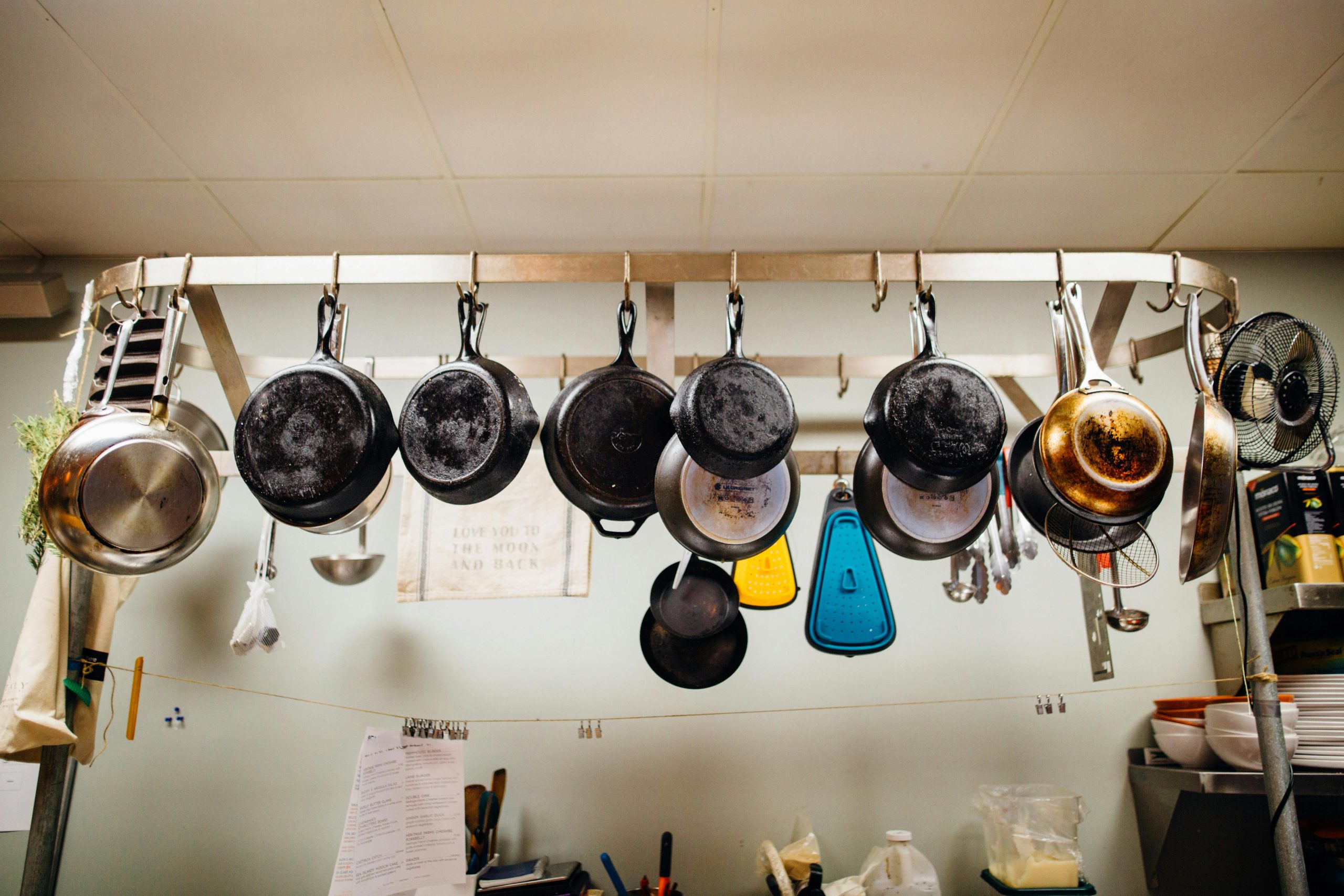
Before you start cooking, create a workspace that makes sense. You don’t need much to begin.
Essential Tools for New Cooks:
- One good knife (8-inch chef’s knife works for most tasks)
- Cutting board (wood or plastic)
- Large skillet or frying pan
- Medium pot with lid
- Baking sheet
- Measuring cups and spoons
- Wooden spoon and spatula
Arrange your kitchen so ingredients and tools stay within reach while cooking. This small step saves time and reduces stress when following recipes.
Many beginners buy too many gadgets that end up unused. Start with basics, then add tools as you discover what you actually need.
Knife Skills: The Foundation of Cooking
Learning to handle a knife properly makes cooking faster, safer, and more enjoyable. Many new cooks fear knives, but proper technique builds confidence quickly.
Basic Knife Handling Tips:
- Hold the knife handle with your dominant hand
- Form a “claw” with your other hand to hold food
- Keep fingertips tucked under knuckles for safety
- Cut with a rocking motion, not straight up and down
- Let the knife do the work – don’t force it
Practice these cuts first:
- Slicing an onion
- Dicing a potato
- Mincing garlic
Take your time at first. Speed comes with practice. Consistent cutting sizes help food cook evenly, which matters more than how fast you chop.
Understanding Flavor Building
Our traditional cooking relies on understanding how flavors work together. You don’t need recipes once you learn these principles.
The Four Flavor Foundations:
- Salt enhances natural flavors (try sea salt or kosher salt)
- Acid brightens (lemon juice, vinegar, tomatoes)
- Fat carries flavor (oils, butter, animal fats)
- Heat/spice adds dimension (black pepper, chili, ginger)
Start by tasting ingredients separately. Notice how salt brings out sweetness in corn or how lemon juice makes beans taste fresher.
Many beginners under-season food. Add salt gradually throughout cooking, not just at the end. Taste as you go – this habit alone improves your cooking dramatically.
Meal Planning for Success
Planning prevents the “what’s for dinner” panic. Even simple planning helps beginners cook more often.
Simple Meal Planning Strategy:
- Choose 3-4 recipes to try each week
- Make a shopping list based on those recipes
- Prep ingredients on a free day (wash, chop, portion)
- Cook double batches when possible for leftovers
Think about balance across the week rather than making each meal perfect. Some nights might be simple soup and bread, others more involved.
Many traditional meals follow patterns – protein + grain + vegetable. Learn this formula instead of memorizing recipes.
3 Beginner-Friendly Recipes to Practice Your Skills
1. One-Pan Roasted Vegetables and Chicken
This simple sheet pan meal teaches timing, seasoning, and temperature control.
Ingredients:
- 1 pound boneless chicken thighs
- 2 medium sweet potatoes, cubed
- 1 red onion, cut into wedges
- 2 bell peppers, chunked
- 3 tablespoons olive oil
- 1 teaspoon salt
- 1 teaspoon dried herbs (thyme, rosemary, or sage)
- 1/2 teaspoon black pepper
Instructions:
- Heat oven to 425°F
- Toss vegetables with 2 tablespoons oil, half the salt and herbs
- Spread on baking sheet, roast 10 minutes
- Mix chicken with remaining oil, salt, herbs, and pepper
- Add chicken to partially cooked vegetables
- Roast 20-25 minutes until chicken reaches 165°F
- Let rest 5 minutes before serving
Skills practiced: Knife work, seasoning, temperature management, timing different ingredients
2. Basic Bean and Corn Soup
This forgiving soup teaches flavor building and adjusting seasonings.
Ingredients:
- 1 tablespoon oil
- 1 onion, diced
- 2 carrots, diced
- 2 cloves garlic, minced
- 1 can black beans, drained
- 1 cup corn kernels (fresh or frozen)
- 4 cups vegetable broth
- 1 teaspoon cumin
- Salt and pepper to taste
- Optional toppings: lime juice, fresh herbs, diced avocado
Instructions:
- Heat oil in pot over medium heat
- Cook onion and carrots until soft (5 minutes)
- Add garlic, cook 30 seconds until fragrant
- Stir in beans, corn, broth, and cumin
- Bring to simmer, cook 15 minutes
- Taste and adjust salt and pepper
- Serve with optional toppings
Skills practiced: Chopping, layering flavors, tasting and adjusting, timing
3. Simple Stir-Fry with Rice
This quick meal teaches high-heat cooking and timing multiple components.
Ingredients:
- 1 cup rice
- 2 tablespoons oil
- 1 pound protein (chicken, tofu, or beef), sliced thin
- 2 cups mixed vegetables, chopped similar size
- 2 cloves garlic, minced
- 1 tablespoon soy sauce
- 1 tablespoon honey or maple syrup
- 1 teaspoon vinegar (rice or apple cider)
Instructions:
- Start rice according to package directions
- Heat 1 tablespoon oil in large skillet over high heat
- Cook protein until just done, remove from pan
- Add remaining oil and vegetables, stir-fry 3-4 minutes
- Return protein to pan with garlic
- Mix soy sauce, honey, and vinegar in small bowl
- Pour sauce over stir-fry, toss to coat
- Serve immediately over rice
Skills practiced: High-heat cooking, multi-tasking, sauce making, timing components
Common Cooking Mistakes and How to Fix Them
Everyone makes mistakes while learning. Here’s how to solve the most common problems:
Food sticks to the pan:
- Pan wasn’t hot enough before adding food
- Not enough oil used
- Tried to flip food too early
Solution: Heat pan first, then add oil, then food. Don’t move food until it releases naturally.
Vegetables turn mushy:
- Overcrowding the pan
- Temperature too low
- Cooking too long
Solution: Use larger pan or cook in batches. Increase heat and reduce cooking time.
Meat turns tough:
- Cooked too long
- Heat too high
- Cut against the grain
Solution: Use a timer, lower heat for larger cuts, and always slice meat across the grain.
Building Confidence Through Practice
Cooking gets easier with practice. Start with these habits:
- Cook one new recipe each week
- Master a few basic techniques rather than trying everything
- Keep notes about what works and what doesn’t
- Don’t worry about mistakes – even bad meals teach something
Many beginners quit after failures. Remember that cooking connects us to our heritage and community. The process matters as much as the result.
From Beginner to Confident Cook
These basic cooking tips build skills that last a lifetime. Our ancestors cooked without fancy equipment or complicated recipes – they understood ingredients and techniques passed down through generations.
You don’t need to become a chef overnight. Small improvements add up quickly. Soon you’ll cook with confidence, nourishing yourself and others with food that tells your story.
What cooking skill do you want to learn first? Start there, practice often, and watch your confidence grow with every meal.